A few of the jobs we get asked about most. What the shot needed, what we flew, and who it took to fly it.
Filmic 35 · 01ANorthern Cape, South Africa · 2024
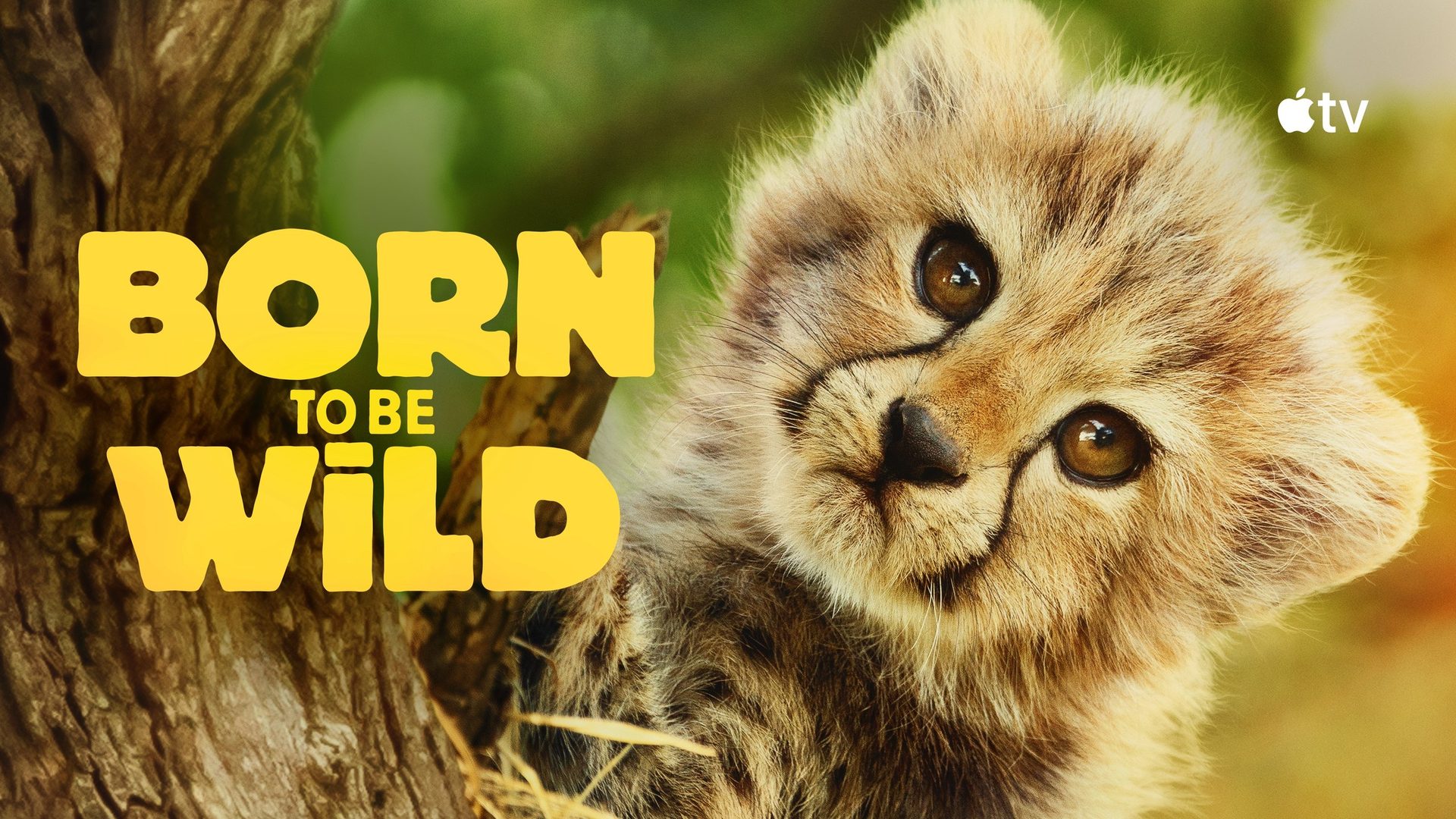
Born to Be Wild
Natural history · Apple TV
A natural history series following young animals as they grow up. Our chapter was the cheetahs, filmed across their lifespan, all the way to the day they were released.
What made it interesting
Wildlife sets the schedule, not the call sheet. A cheetah gives you one release, one first run into open country, and no second take. The aircraft has to hold a tight frame on a fast animal without ever changing its behaviour, which means distance, sound and patience matter as much as the shot.
The series producer upgraded the aerial unit to the Inspire so the camera could sit tighter on the cheetah alone, and added a second operator for the release day so the frame could carry foreground and depth instead of just following.
How we built it
A two person unit on the Inspire 3, with Dimitri and Gabriel swapping between pilot and camera operator so the one on the gimbal was always free to compose. A DJI Mavic 3 Pro flew the quieter days in the boma, where a big aircraft had no place.
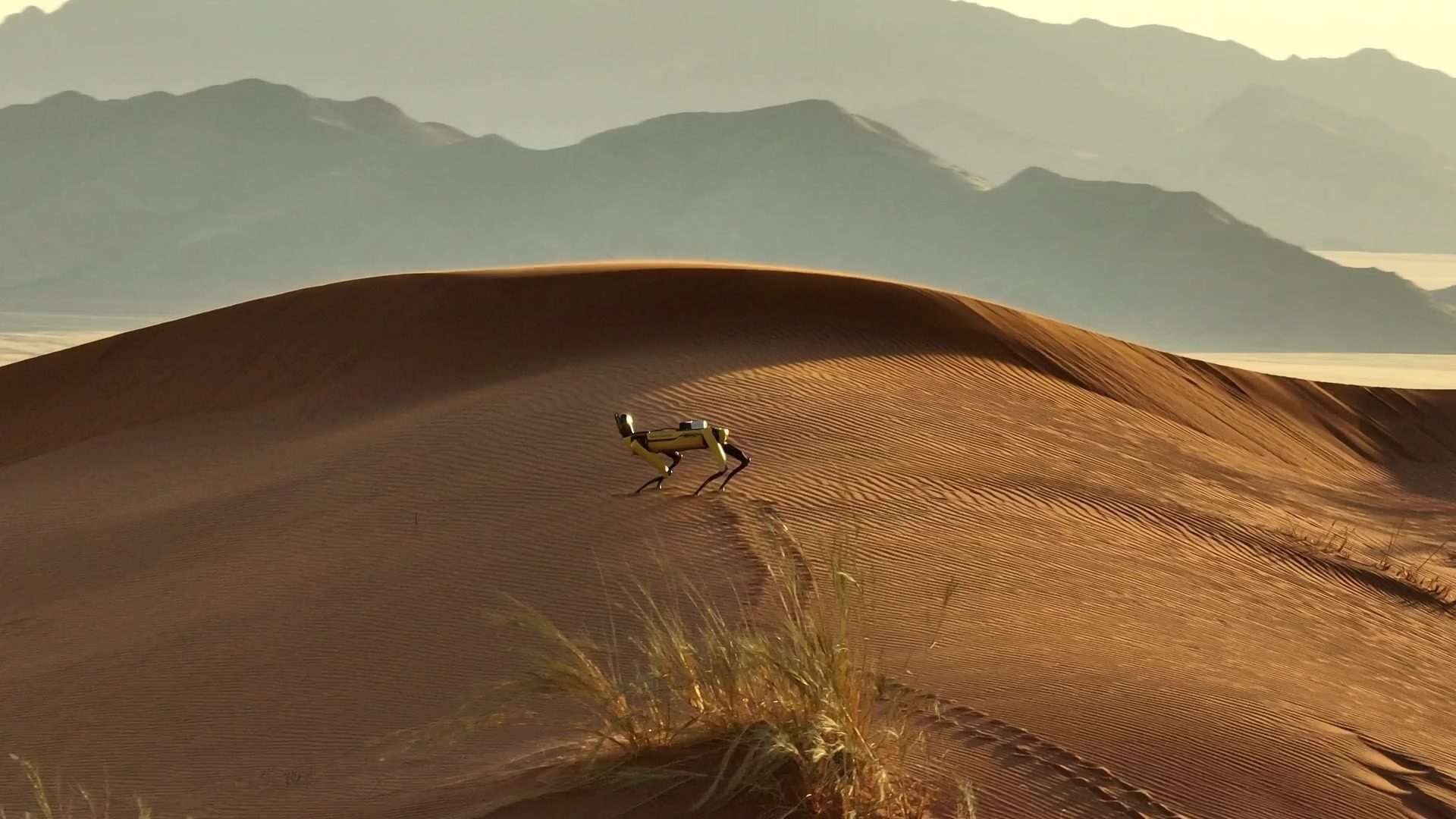
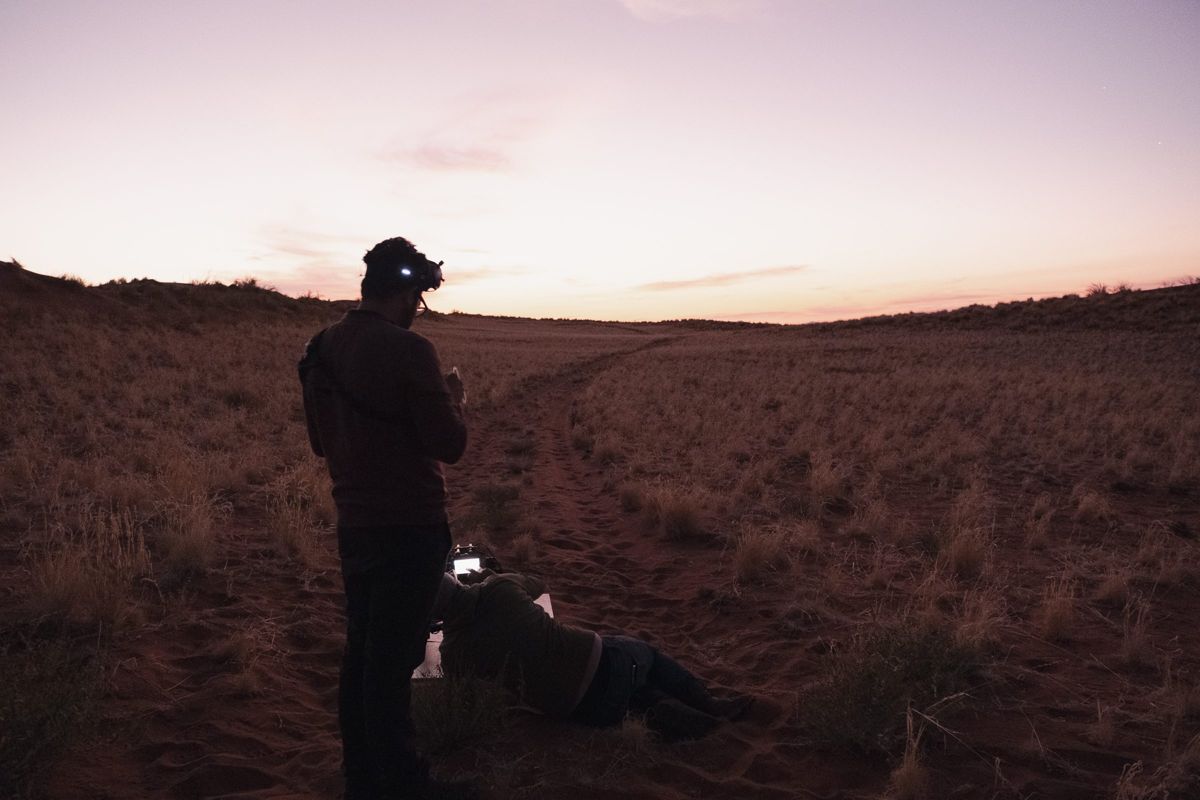
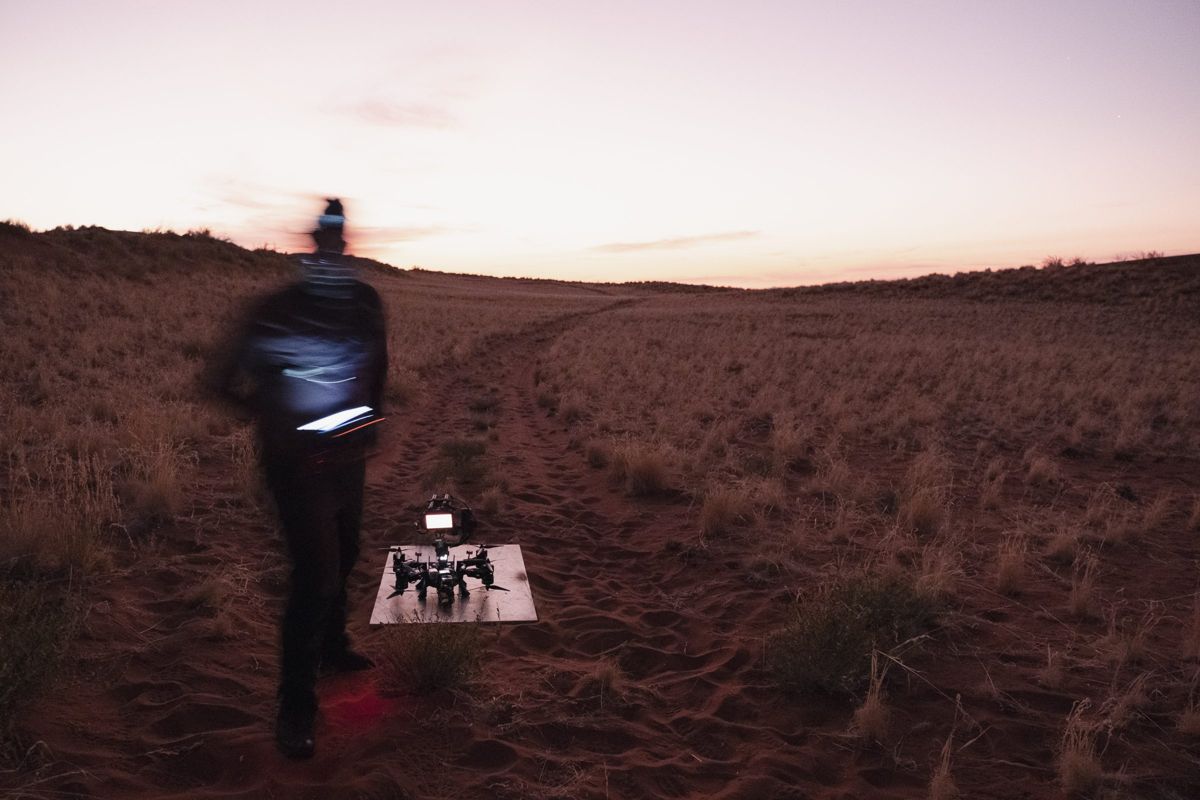
A research shoot for WPP in the Namib: scanning dunes, coastline and night skies to rebuild them as real time 3D worlds, with a crew small enough to leave no trace.
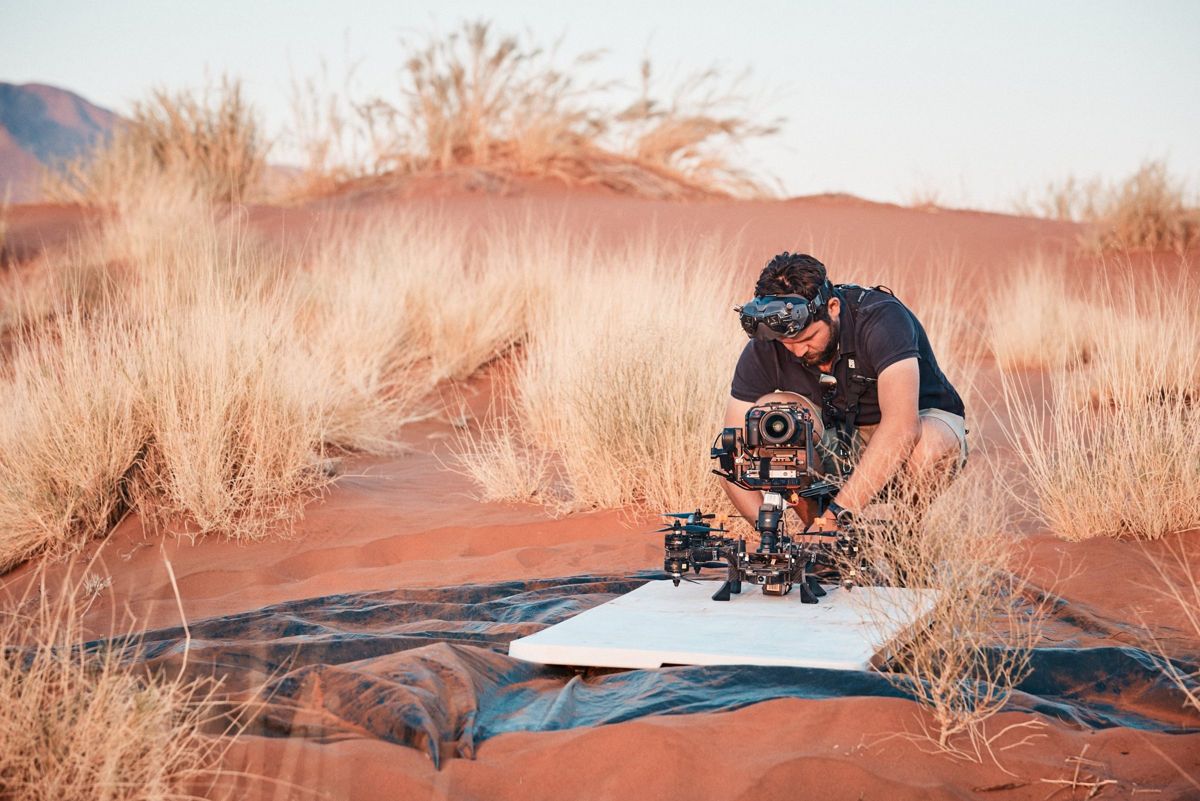
Rigging the gimbal FPV in the red dunes.
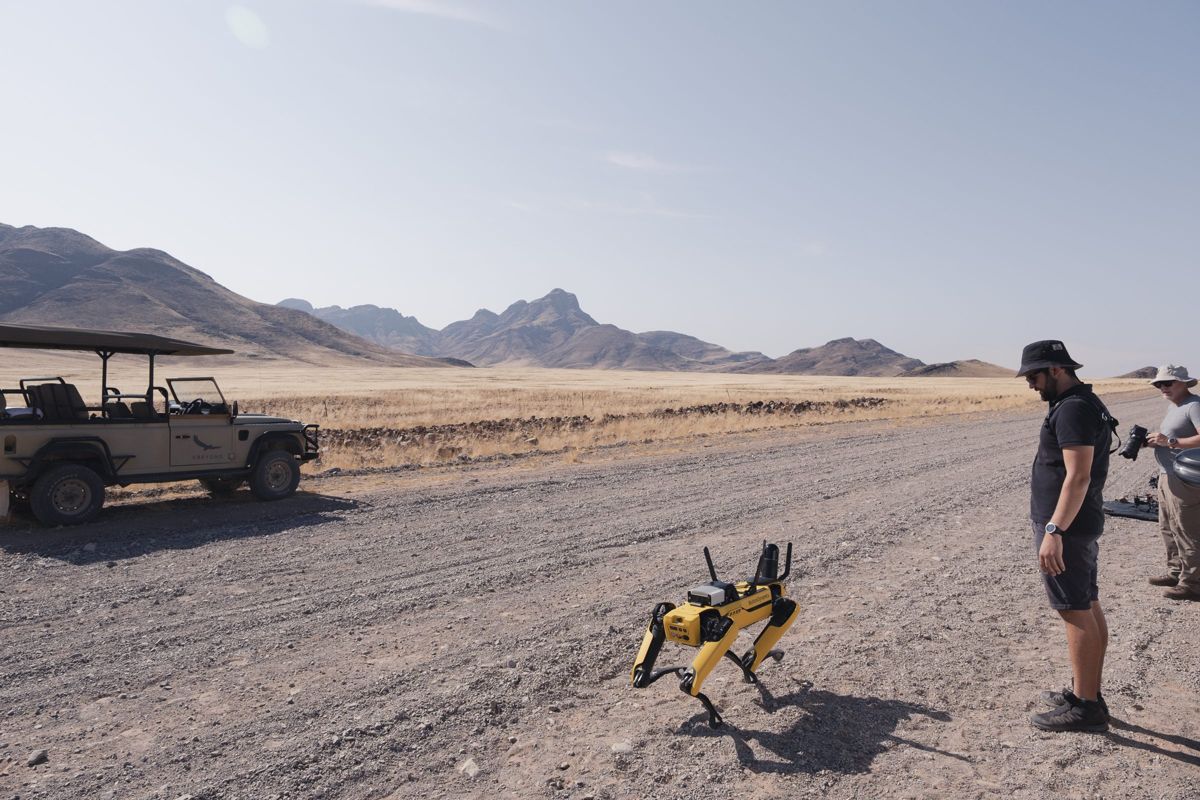
With the Spot scanner on the NamibRand plains.
Last light. Prepping the heavy lift for a night flight.
The heavy lift on its pad at dusk.
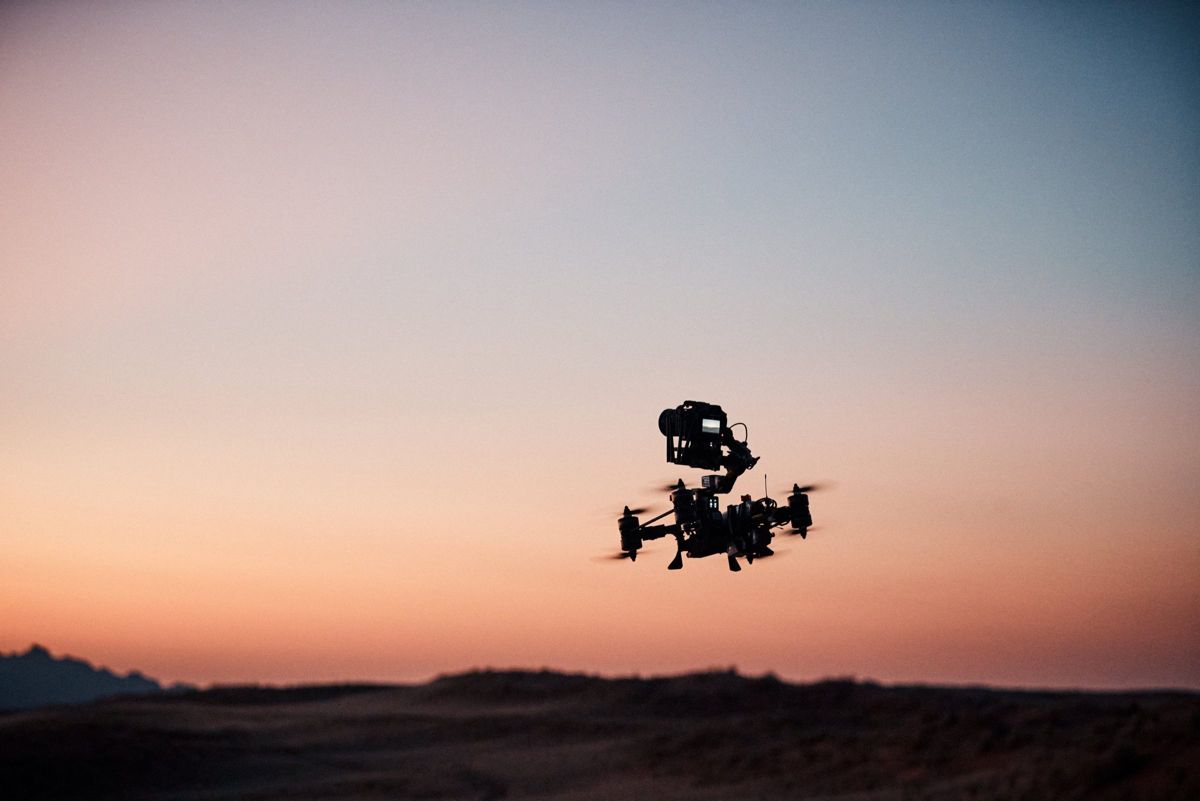
The heavy lift in the air at dusk.
Why it was only on us
Namibia had tightened the rules after a blockbuster left its mark on the desert. In the most sensitive places, crews of more than twelve were not allowed, so every role had to be covered by one person. The whole aerial unit was us: one pilot, seven hours from the nearest town, flying every aircraft on the job.
The brief was not a pretty shot. It was data. WPP and director Brett Danton were testing how far a tiny crew could go in capturing a landscape completely, by day and after dark, so it could be used again and again for automotive work without sending a crew back.
How we built it
By day we flew a DJI Matrice 300 RTK with a LiDAR payload and a full frame photogrammetry camera, mapping dunes, plains and the coast at Sandwich Harbour. A Leica scanning drone worked the detail. On the ground, a Boston Dynamics Spot robot walked the sand with its own scanner, and a data station in the trucks brought it all together.
At dusk we switched to our heavy lift gimbal FPV, carrying Canon’s ME20, a camera built to see in near darkness, to test what the Namib looks like under its night skies. Four aircraft, one pilot, all registered with the Namibian Civil Aviation Authority before we crossed the border.
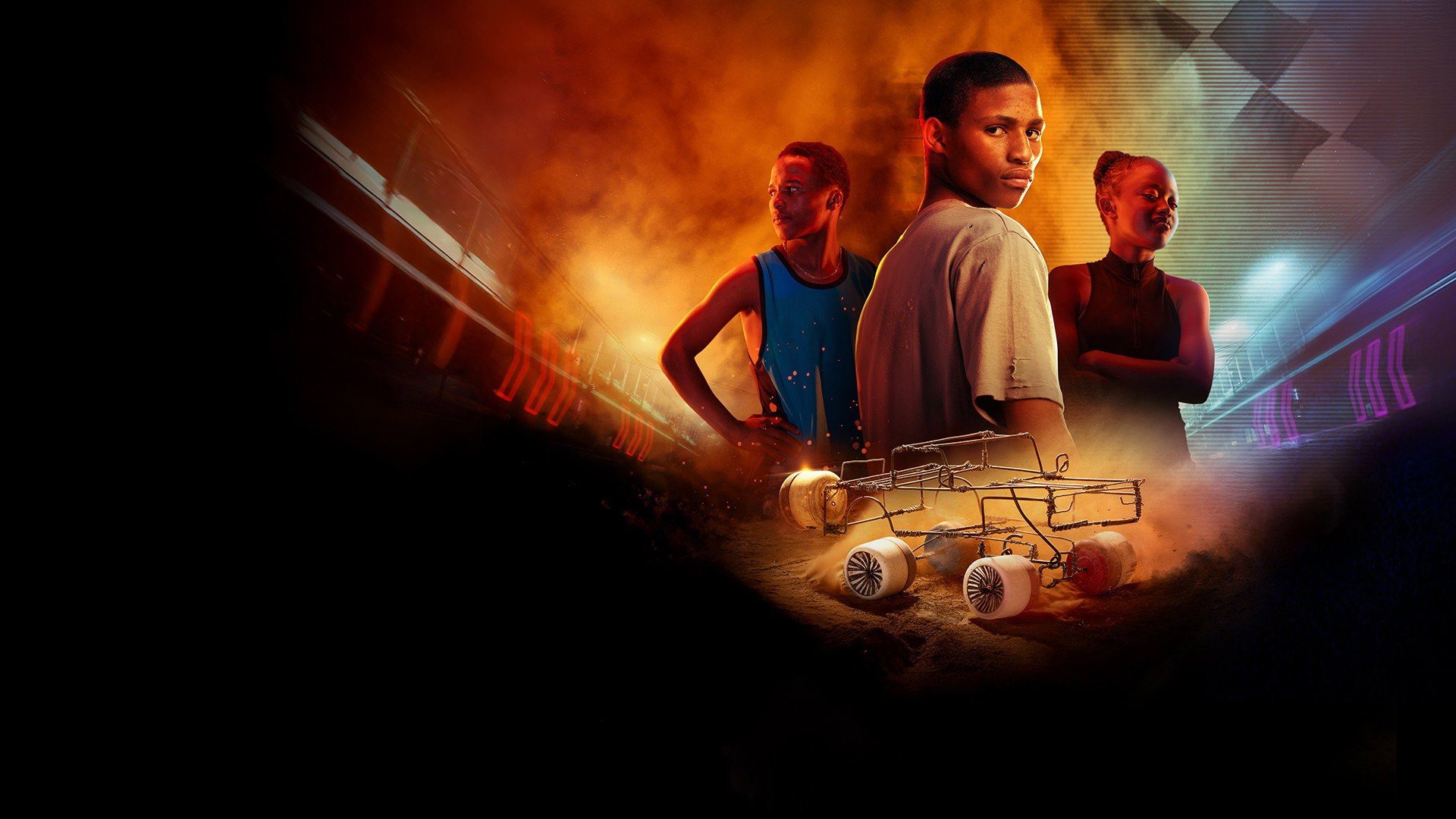
A small Karoo town, a race of handmade wire cars, and a community that turns out for it. We flew the aerial unit across three production blocks over nine months.
What made it interesting
The subject is tiny and the landscape is enormous. The aerials had to do both: map the town, the dirt roads and the hairpin in the village so the audience always knows where the race is, then come down to the scale of a child pushing a wire car.
Karoo wind, night shoots and split days made it a long game. The payoff was a day and night match shot from the prize giving to the foundation, and full coverage of the main event.
How we built it
Three aircraft. The Inspire 3 in 8K ProRes RAW for the church, the foundation push and pull, the match shot and the race itself. A GoPro FPV for fast, low moves with the cars. A Mavic 3 Cine in 5.1K ProRes 422 HQ at 50 frames for mapping the town. A pilot and a dedicated camera operator on the Inspire across the blocks.
AircraftDJI Inspire 3, GoPro FPV, DJI Mavic 3 Cine
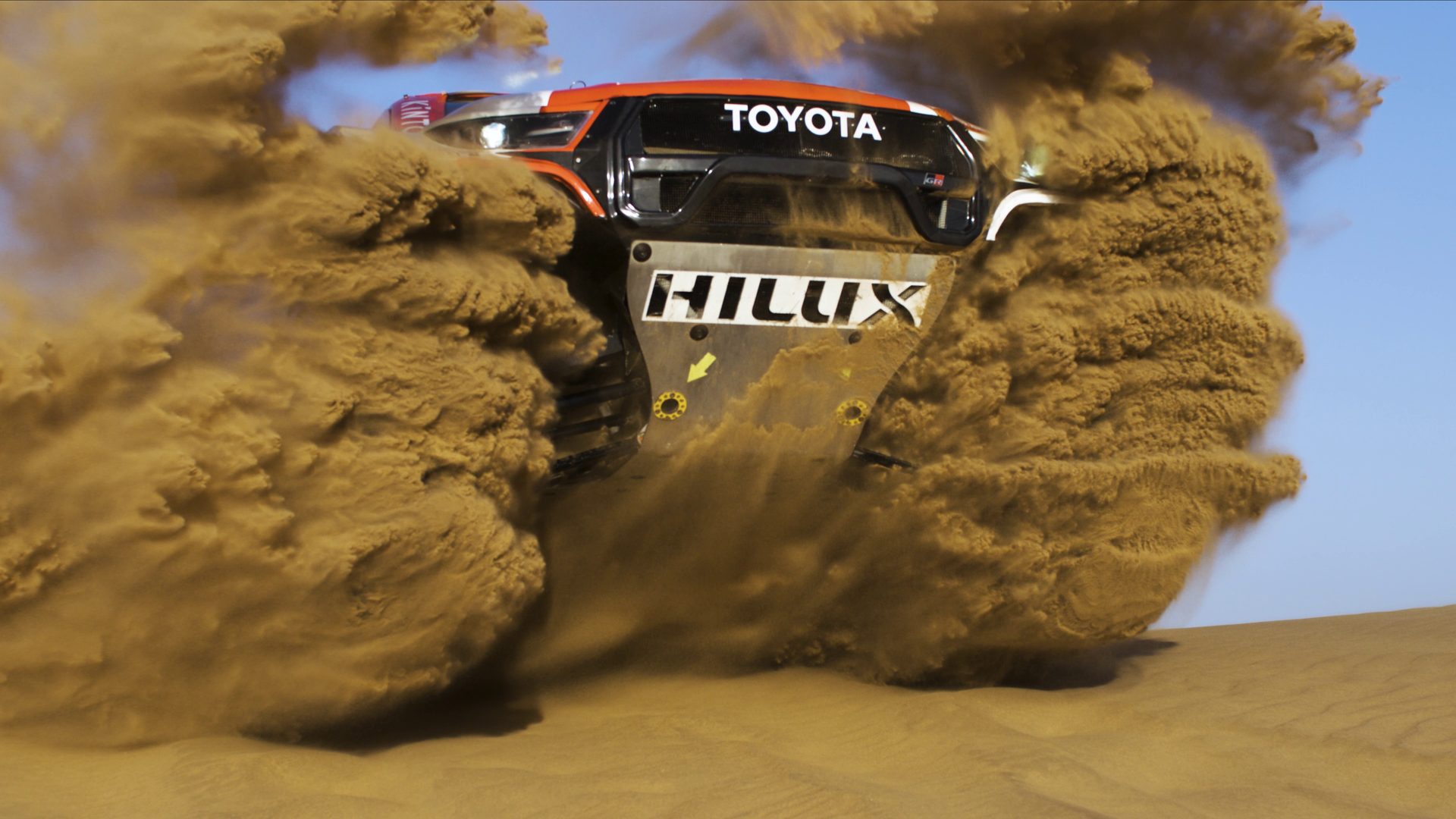
A Dakar Hilux at full commitment in the Namib dunes, filmed low and fast from a gimbal stabilised FPV carrying a high speed cinema camera.
Why it was only on us
The director wanted the camera inside the action: metres off the sand, holding pace with a rally truck, and slowing the moment right down. A tracking vehicle cannot make that line through dunes, and a standard cinema drone cannot make the acceleration. After weighing every option, the production landed on a gimbal stabilised FPV flying a Freefly Ember, and we were the unit that could fly it.
We were A and B camera on the day, and the first unit to fly a Freefly Ember in South Africa and in Namibia. We carried a backup Ember and a backup gimbal FPV, but there was no other aerial unit to call. Every shot was on us to deliver.
How we built it
A custom built gimbal FPV carrying the Ember on a custom DJI gimbal, with wireless video, follow focus, cine lenses and a custom remote start and stop so the camera could be rolled from the ground. Four people flew one aircraft: a pilot on the sticks, a dedicated camera operator on full gimbal controls, and a ground crew managing batteries, media and the airframe between runs.
AircraftCustom built gimbal stabilised FPV
CameraFreefly Ember, high speed global shutter, cine lenses
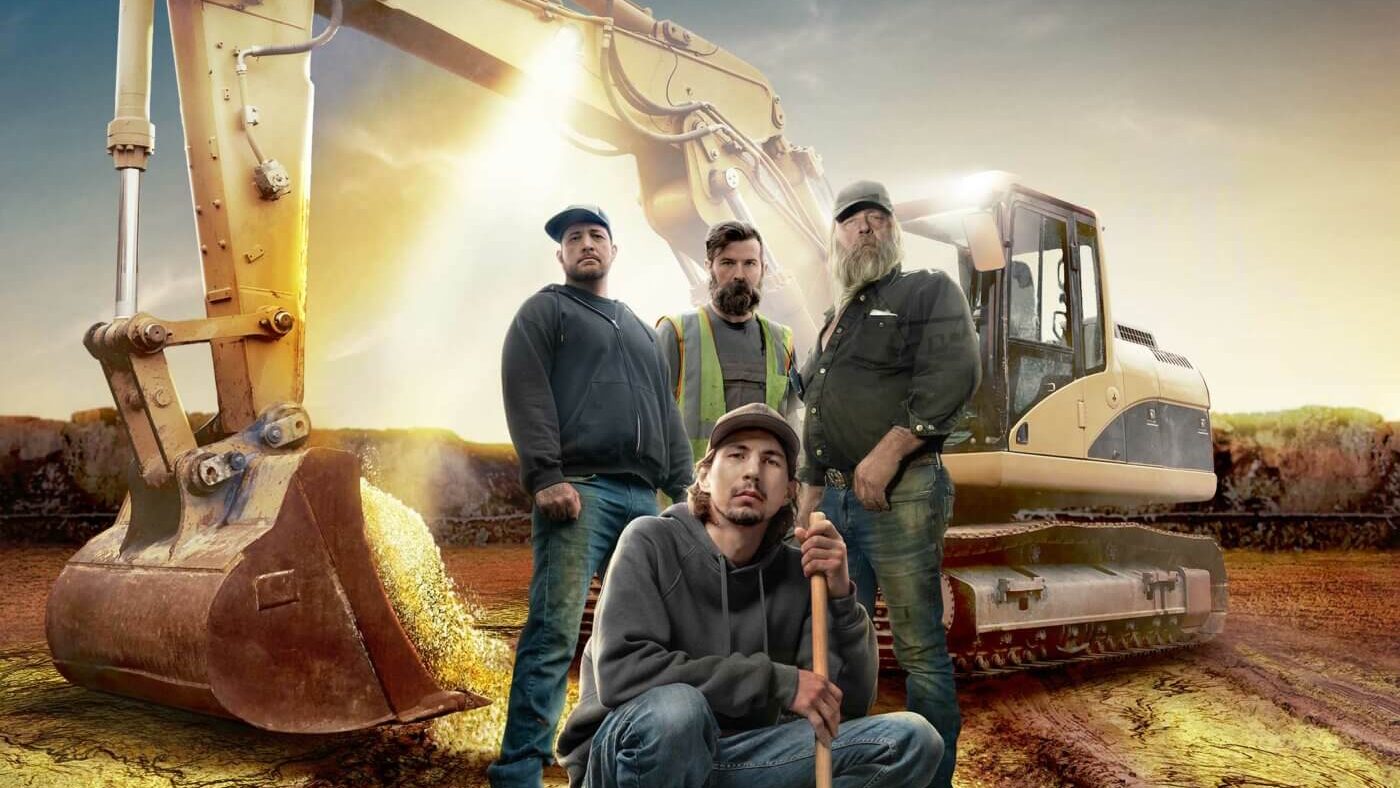
A season in the Klondike with Tony Beets’ crew for Raw TV. Aerials over the claims and the wash plants, and a camera on the ground when the story moved there.
What made it interesting
Gold Rush runs like a working mine, not a film set. Machines do not wait for the camera, the weather turns fast, and the story can break on any cut of ground at any hour. The aerial unit has to read the day and be in the air before the moment happens.
Dimitri wore two hats: drone operator and shooting PD, flying the establishers and machine moves, then landing and picking up a camera for interviews and scenes on the ground.
How we built it
The Inspire 2 for the cinematic aerials over the claims, and an FPV for fast, close work with the trommels and heavy equipment. Everything logged into the edit notes daily, so the aerials slotted straight into the story.
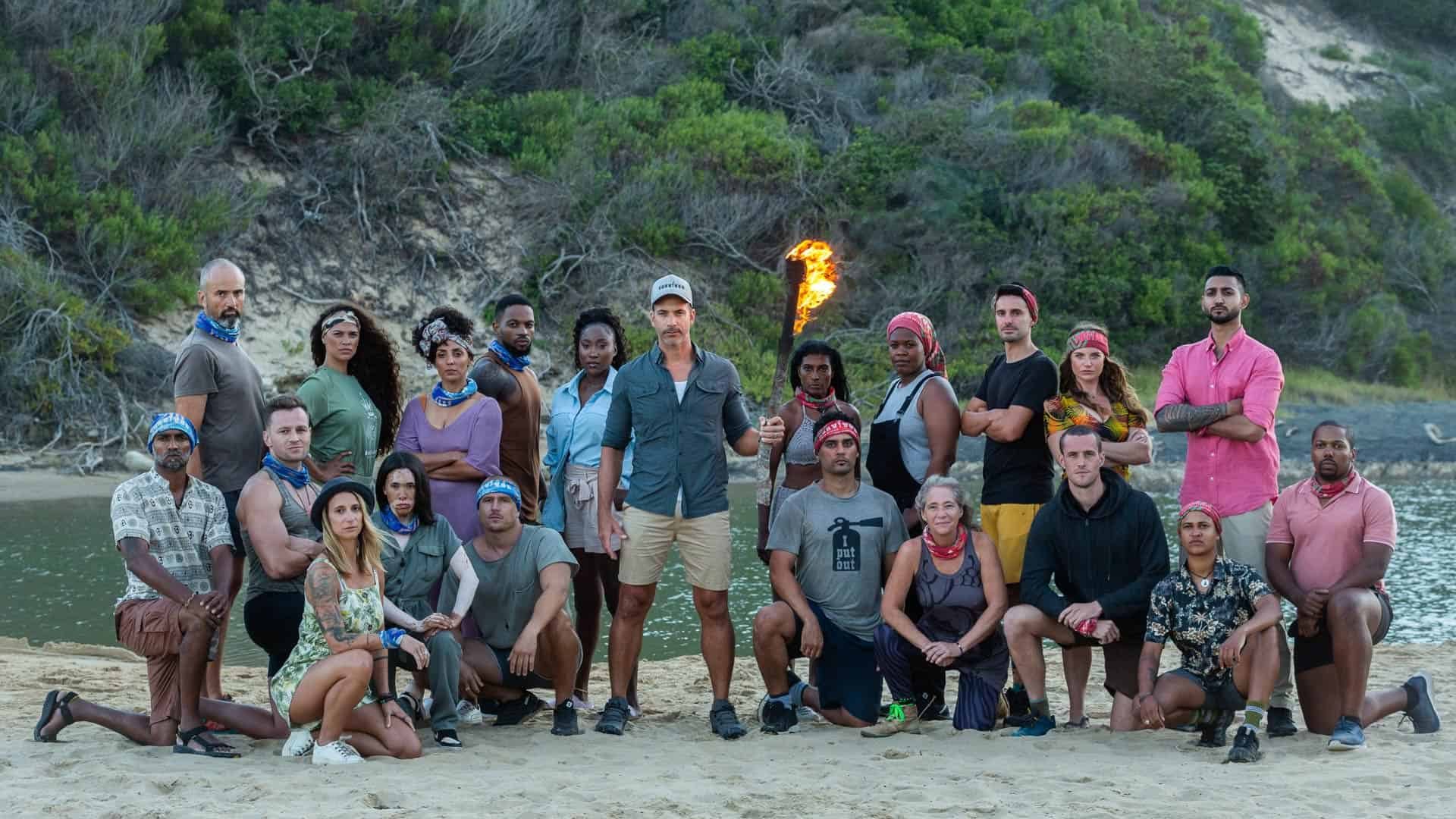
Head of department for aerials on Survivor South Africa. Every aerial in the season was ours, and our team ran the B roll for the show.
What made it interesting
Survivor lives on scale and isolation: a camp that has to feel a long way from anywhere, challenges built big, and tribal council approaches that carry the drama. As head of department and director of photography for the aerial unit, Dimitri set the aerial look for the whole season and owned it from the first establisher to the last.
Beyond the air, the team ran the B roll for the show: the landscape and atmosphere that stitch a season together between the challenges.
How we built it
The Inspire 2 for the wide, cinematic aerials of camp and challenges, and a GoPro FPV for fast, close moves through the challenge courses.
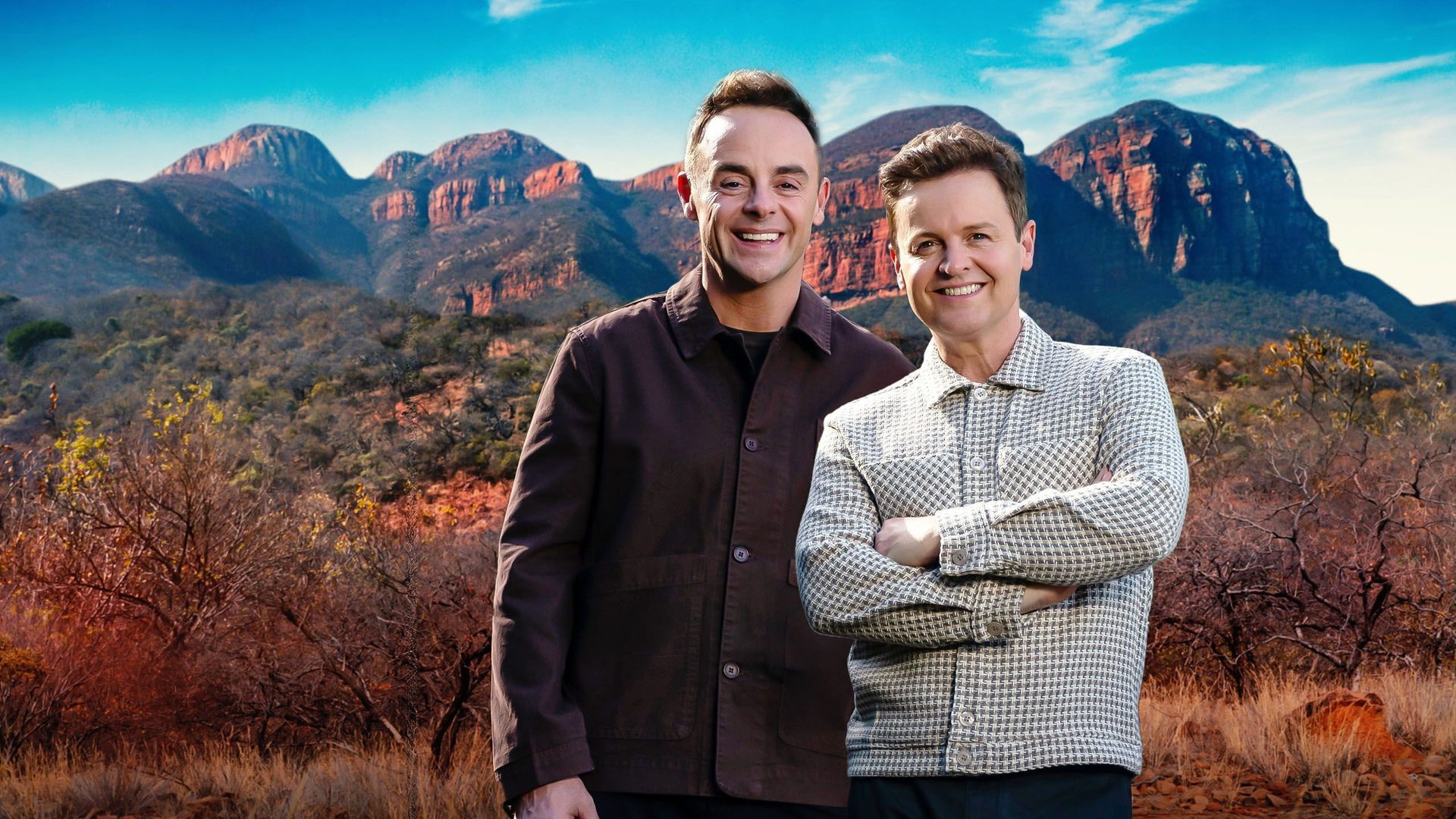
ITV’s all star edition, shot in the Lowveld bush outside Hoedspruit. Big establishers of camp and trials, and fast coverage when a trial only happens once.
What made it interesting
A live entertainment schedule in wild country. Trials run to the minute, talent and safety crew are always in frame, and nothing gets a second take. The aerial unit has to be ready before the call, fly clean inside a tight safety plan, and get out of the way.
How we built it
Three aircraft, each doing one job. The Inspire 3 for the cinema establishers of camp and the trial arenas. A GoPro FPV for close, fast coverage where a larger aircraft had no business being. The Mavic 4 Pro for quick, quiet setups between units.
AircraftDJI Inspire 3, GoPro FPV, DJI Mavic 4 Pro
CoverageCamp and trial establishers, proximity FPV
Filmic 35 · 08AWalvis Bay and Sandwich Harbour, Namibia · 2023
Still from the Tom Ford Oud Minérale campaign film.
Tom Ford
Fragrance film · Oud Minérale
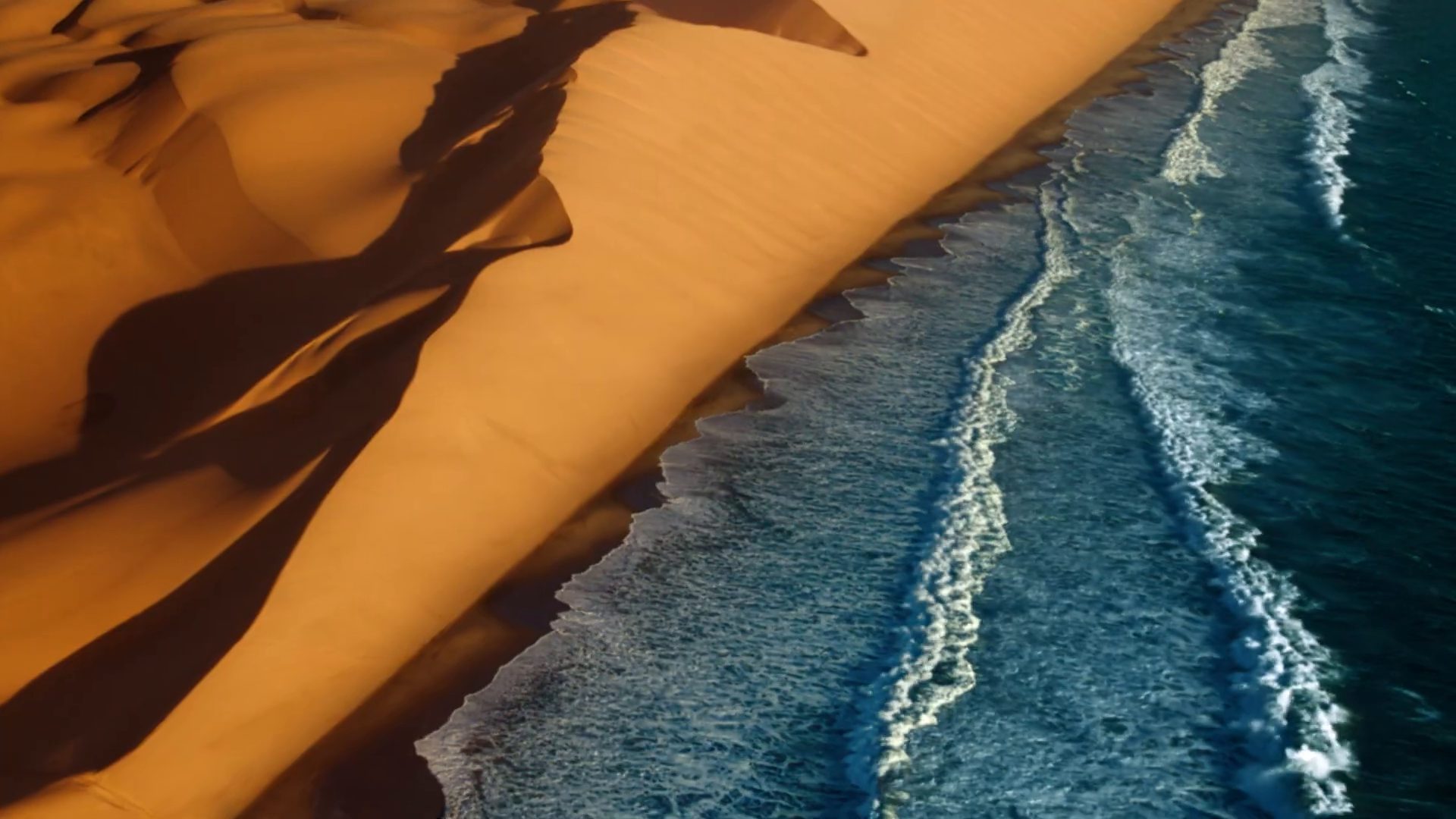
A fragrance film on the Namib coast, where the dunes run straight into the Atlantic. Our aerials had to sit next to a Sony Venice 2 and a Phantom without looking like drone footage.
What made it interesting
The main unit shot on Sony Venice 2 and Phantom, so every aerial frame had to grade and cut against a very high bar. The DP was wary of anything that felt too digital. That is exactly the brief the gimbal FPV with a Red Komodo was built for: FPV energy, a cinema sensor, a horizon you can cut with. Both aircraft made the final film.
We flew the dunes outside Walvis Bay and Sandwich Harbour, one of the most striking and least forgiving locations on the continent. Sand, salt air and a tide that decides when you can reach the set.
How we built it
Two aircraft. The gimbal FPV carried the Red Komodo 6K for the dynamic moves, recording REDCODE RAW at 6K and 40 frames. The DJI Inspire 2 with the Zenmuse X7 covered the wider, calmer frames in ProRes. A pilot, a camera operator and a gimbal and drone technician, crossing the border self sufficient with work visas, carnet and a Namibian drone permit in hand.
Filmic 35 · 09AJohannesburg, South Africa · May 2024
Season 8 · May 2024
The Amazing Race Australia
Season 8 · South African leg
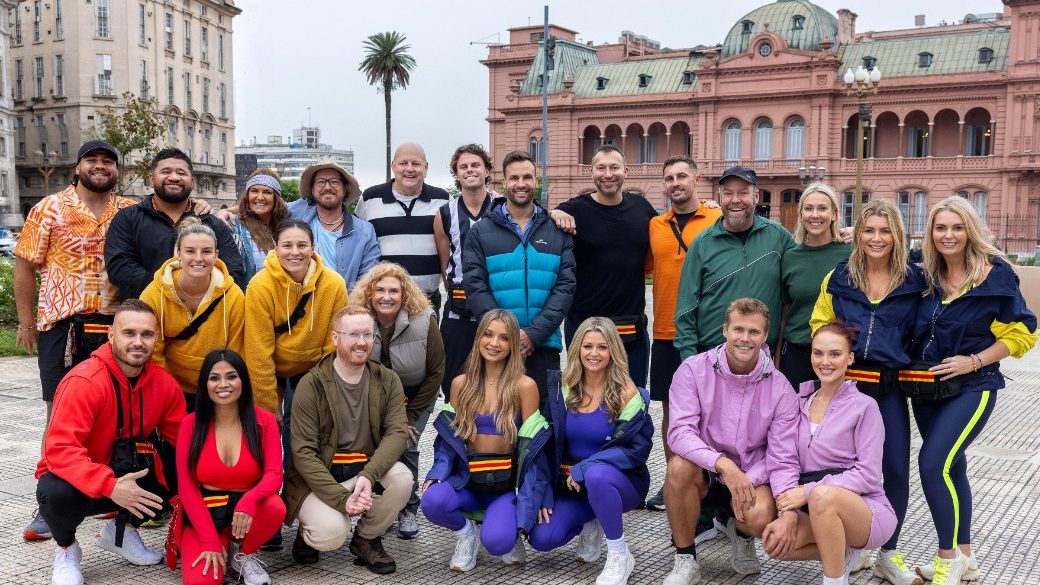
The race came to Johannesburg in May 2024, and we flew the aerials for the South African episodes.
What made it interesting
A race does not stop for a reset. Teams move between checkpoints across a city on their own clock, so every establisher and every tracking shot happens once, live, with the permits and landowner approvals already in hand before the first team arrives.
How we built it
A DJI Mavic 3 Pro Cine: small enough to launch fast between checkpoints, and recording Apple ProRes so the aerials cut clean with the ground cameras. Permits and landowner approvals for the Johannesburg locations were cleared through our permit partners before the race began.
AircraftDJI Mavic 3 Pro Cine
CoverageCheckpoint establishers, teams on the move
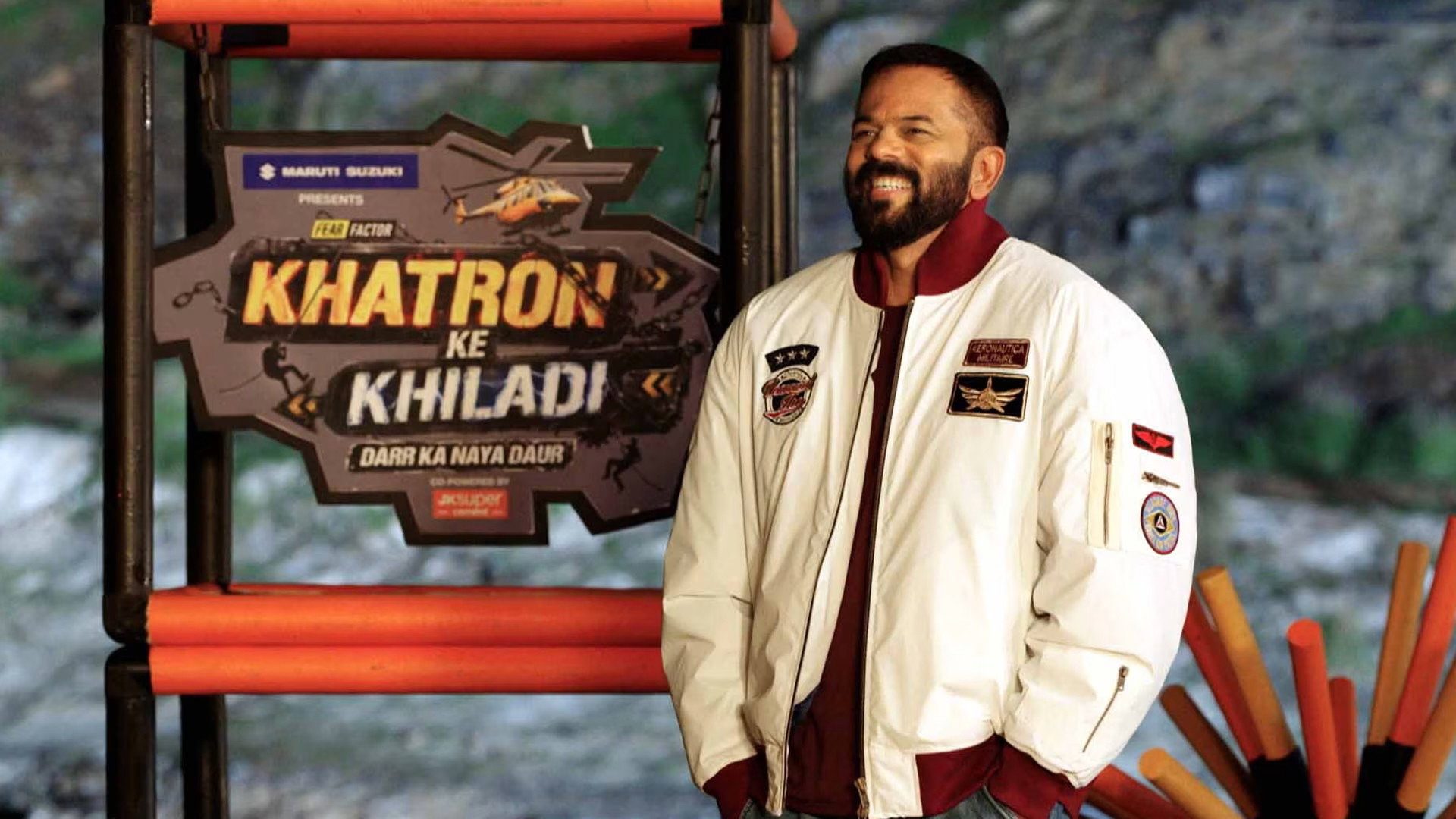
The latest season of Fear Factor for India, shot across Cape Town in 2026, and the third season we have flown the aerial unit on the show. Rooftops, quarries, harbours, mountain roads, and almost every one of them in controlled airspace.
What made it interesting
This is a clearance problem as much as a flying one. This season ran 29 fly days, and every site sat in controlled airspace: three inside the Cape Town control zone needing full ATC clearance, one in a restricted area, and several on or near working aerodromes. One blocked clearance costs a stunt day with the whole crew standing by.
So the airspace work comes first. Every site is classified, every permit path mapped and every dependency sequenced before the first flight, so production always knows what we need from them and when.
How we built it
Aircraft matched to each stunt: the DJI Mavic 4 Pro for the establishers and stunt coverage, GoPro FPV for fast, close moves through the action, and a custom built 360 FPV that records the whole sphere, so the frame on the biggest stunts can be chosen in the edit. After three seasons with the same production, the unit knows the format, the stunt team and the pace before day one.
“His technical expertise as a drone and FPV operator is matched only by his professionalism.” Leroux Botha, Creative Executive Producer, Afrokaans.
Season 12 of the Australian format in the South African bush, from the walk in to the host links.
What made it interesting
A live format run to the minute, on protected land with its own flight permits. The walk in and set pieces like the Elephant’s Graveyard happen once, with talent and safety crew in frame, so the aircraft has to be airborne and on its mark before the cue.
Midway through season 12 we upgraded the aircraft from a Mavic 3 Cine to a Mavic 4 Pro at no cost to the production, for the remaining shoot days and the host links.
How we built it
A compact DJI Mavic unit that can launch from anywhere on site, flown to the production’s own camera settings so the aerials match the rest of the series.